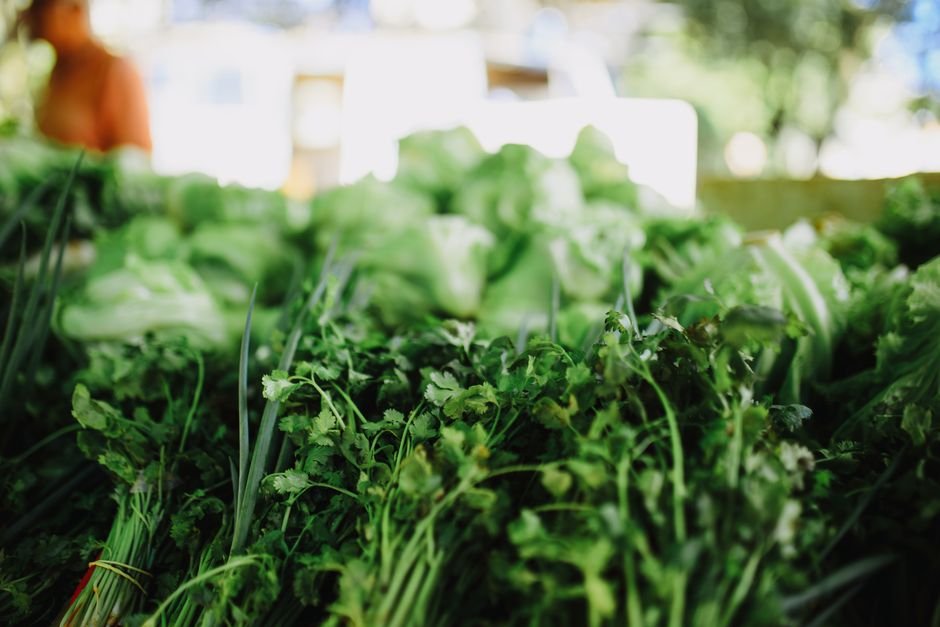
A small taqueria in Mexico City recently watched the price of a 5 kg bundle of cilantro jump from 110 pesos to nearly 500 pesos in a matter of weeks. That’s a 400% spike with no warning. For a business built around tacos, that’s not a minor inconvenience — it’s a margin problem that demands an immediate response.
This article covers what’s actually driving cilantro shortages, which businesses are getting hit hardest, how the situation varies by region, and what practical steps restaurants, grocers, and food manufacturers can take right now.
What “Cilantro Shortage” Actually Means for Businesses
First, some clarity. When you hear “cilantro shortage,” it doesn’t mean there’s zero cilantro anywhere in the world. In most cases, it means tight supply, inconsistent availability, and sharp price increases in specific markets.
Cilantro is still grown in the U.S., Mexico, India, Europe, and across Asia. Some sources point out that the herb remains widely available overall. The problem is regional and episodic — some markets get hit hard while others see little disruption at all.
For businesses, the impact shows up as higher wholesale costs, unpredictable stock levels, and pressure on margins. The key distinction is between a true supply collapse and a price shock caused by a short-term weather event. Most cilantro shortages fall into the second category.
The Real Causes Behind the Price Spikes
There’s no single villain here. Cilantro shortages are usually the result of several pressures hitting at once.
Weather and Climate Volatility
Cilantro is a cool-season herb. It doesn’t handle extreme heat well, and it’s also sensitive to cold snaps and irregular rainfall. When growing conditions shift, yields drop fast.
Severe drought in major growing regions — particularly parts of Mexico — has been the primary trigger in recent shortages. The 400% price spike seen at Mexico City’s main wholesale market in 2024 was directly tied to drought conditions squeezing supply.
Pest and Disease Pressure
Even without drought, pest and disease issues can reduce how much cilantro actually makes it to market. A crop can look fine early in the season and still come up short by harvest time.
Farm Labor Shortages
This is a structural problem, not just a pandemic holdover. Finding enough workers to harvest and ship cilantro on time has become consistently harder. When labor is short, produce doesn’t get picked on schedule — and a delicate herb like cilantro doesn’t wait.
Transportation and Logistics Delays
Supply chain issues can create store-level scarcity even when production at the farm level is adequate. Delays in shipping, refrigeration gaps, or distribution bottlenecks can mean shelves go empty mid-week even if cilantro exists somewhere in the supply chain.
Rising Demand
Global demand for cuisines that rely heavily on cilantro — Mexican, Indian, Southeast Asian — has grown steadily. When production dips even slightly, that demand pressure pushes prices higher faster than it might for a less popular herb.
Which Businesses Take the Hardest Hit
Not every business feels cilantro shortages equally. Here’s how it breaks down across different parts of the food industry.
Restaurants and Taquerias
High-volume cilantro users feel this most directly. Tacos, salsas, soups, and garnishes all depend on it. When wholesale prices quadruple, a restaurant either absorbs the cost, raises prices, or changes the menu.
After Mexico’s 2024 price spike, taquerias responded by cutting cilantro portions, removing it from lower-margin items, or replacing it with alternatives. That’s a real operational decision with real consequences for food identity and customer expectations.
Small operators and street food vendors have it worst. They don’t have the purchasing power to negotiate contracts or hold inventory as a buffer. They pay spot prices and absorb every spike directly.
Grocery Retailers
Retailers deal with sporadic out-of-stock situations and higher wholesale costs. Sometimes the response is shrinkflation — smaller bundles sold at the same price. Customers notice, even if they don’t always say anything.
Cilantro has appeared on recent lists of grocery items facing tighter availability in 2026, alongside produce like lettuce and orange juice. It’s part of a wider pattern of more frequent, weather-driven produce disruptions that retailers need to plan for.
Food Manufacturers
Salsa brands, sauce makers, and ready-meal producers face a different kind of pressure. When cilantro supply gets inconsistent, they have to decide whether to reformulate recipes, switch to dried cilantro, or blend with other herbs. Any change to a product recipe can trigger labeling questions and customer pushback.
One approach that’s worked: transparent labeling. A message like “recipe adjusted due to seasonal herb availability” is straightforward and tends to hold customer trust better than a quiet swap with no explanation.
Practical Substitutes That Actually Work
No substitute perfectly replicates cilantro’s flavor. That said, several options are genuinely useful in a commercial kitchen when supply runs tight.
- Flat-leaf parsley — The most accessible option. It gives you the fresh, green visual and a mild herbal flavor. It won’t taste like cilantro, but it works well in salsa verde, garnishes, and rice dishes when combined with extra lime.
- Culantro (sawtooth herb) — Botanically different from cilantro but much closer in actual flavor. It’s available in some Latin American and Asian specialty markets. If you can source it, it’s the strongest flavor substitute.
- Fresh mint or basil — Useful in Southeast Asian dishes where cilantro plays a supporting role. They bring brightness without replicating the exact profile.
- Lime juice and microgreens — Adding extra lime can compensate for some of the brightness cilantro provides. Microgreens add a fresh visual element that helps maintain plate presentation.
The practical move for restaurants is to test a blend — parsley plus lime, for example — rather than trying to find a single perfect replacement. Frame it on the menu as a seasonal herb mix rather than a missing ingredient. Customers respond better to that framing.
What Businesses Can Do Right Now
Whether you’re running a restaurant, managing grocery procurement, or working in food manufacturing, there are concrete steps worth taking.
For Restaurants
- Identify which dishes use cilantro as a garnish versus a core flavor. Garnish uses can be swapped or reduced without affecting the dish much.
- Test substitutes in your kitchen before you’re forced to use them under pressure.
- Talk to your distributor about sourcing alternatives — different growing regions, different suppliers — rather than waiting on one source to restock.
- If you raise prices, a brief, honest explanation to regular customers goes a long way.
For Grocery Retailers
- Diversify your supplier base so one regional disruption doesn’t empty your shelves.
- Use in-store signage to promote substitute herbs when cilantro is short. Recipe cards help customers actually use the alternatives.
- Consider stocking small potted cilantro plants. Some customers prefer growing their own, and it moves reliably when fresh bundles are unavailable.
- Order earlier in the week and in smaller, more frequent batches to reduce spoilage risk during tight supply periods.
For Food Manufacturers
- Review your supply contracts. Long-term agreements with multiple growers in different regions give you more stability than single-source purchasing.
- Develop an alternate formulation now, before a shortage forces a rushed decision.
- Be transparent on packaging if a recipe change becomes necessary. Customers generally accept honesty better than they accept discovering a quiet swap.
How Long Do These Shortages Last?
Most cilantro shortages are temporary. They’re tied to specific weather events or growing seasons, and supply tends to recover when conditions stabilize. The Mexico drought-driven spike in 2024 was severe, but cilantro production didn’t disappear — it contracted under pressure and eventually recovered as conditions changed.
That said, climate variability is making these disruptions more frequent. A shortage that used to happen once every several years might now happen more regularly. The businesses that handle it best aren’t the ones that react fastest to each spike — they’re the ones that build flexibility into their menus, supply chains, and supplier relationships in advance.
For practical guidance on building that kind of operational resilience, Open Business Tips covers supply chain planning and cost management strategies that apply directly to food businesses of all sizes.
The Bigger Picture
Cilantro is a useful case study, but it’s not unique. Lettuce, orange juice, and other grocery staples have all faced similar disruptions in recent years, usually for the same overlapping reasons: weather, labor, and logistics problems hitting at the same time.
The practical takeaway for any food business is this: don’t treat each shortage as a one-off surprise. Build menus with some flexibility. Maintain relationships with multiple suppliers. Keep a short list of tested substitutes ready to go. And communicate openly with customers when something changes.
You can’t control drought or shipping delays. You can control how prepared you are when they happen.
Also Read: