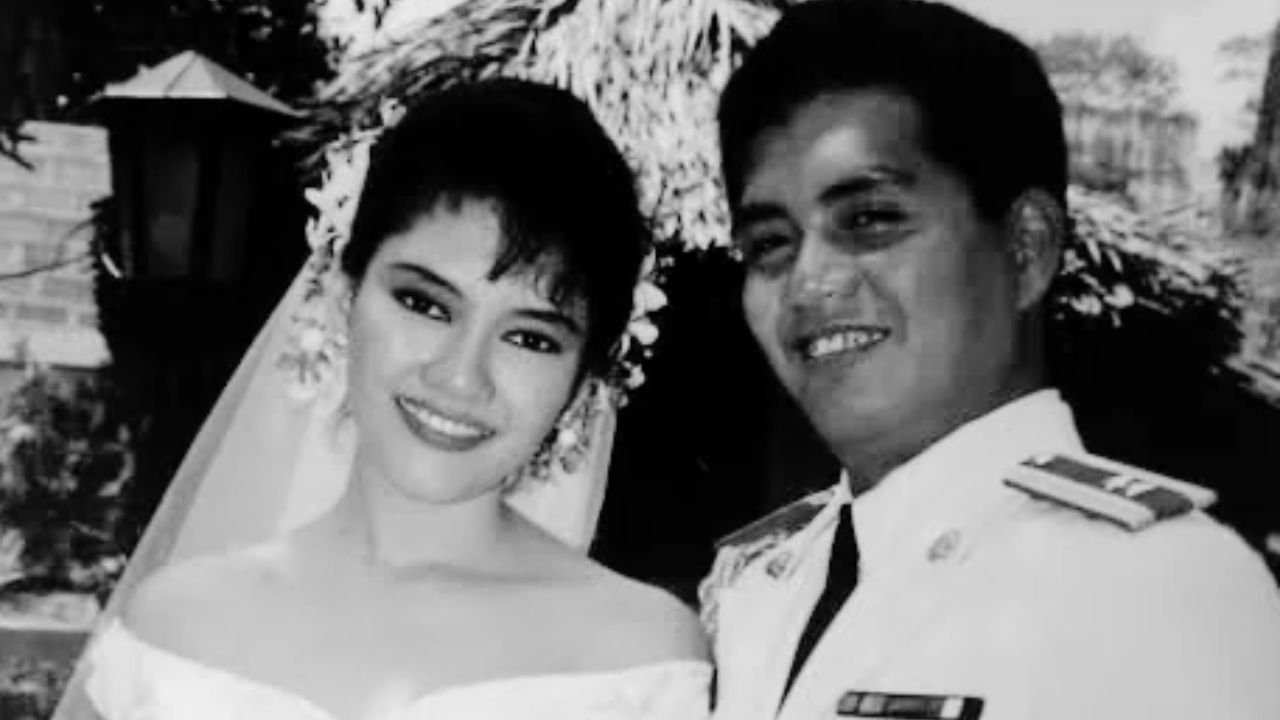
Most Filipinos know Risa Hontiveros as a senator, a women’s rights advocate, and a persistent voice in Philippine public life. Far fewer know the story of the man she married — a Philippine Military Academy graduate named Francisco “Frank” Baraquel Jr.
Baraquel was not a politician or a public celebrity in his own right. He was a military officer, a father, and a husband who left a quiet but meaningful mark on the life of one of the country’s most recognizable public servants. This article covers who he was, his background at the PMA, his military career, his family with Hontiveros, and his death in 2005.
Who Francisco Baraquel Jr. Was?
Francisco “Frank” Baraquel Jr. was a Philippine military officer. His name surfaces most often in connection with Senator Risa Hontiveros — as her late husband and the father of her four children.
He was not a public figure in the way politicians or entertainers are. Most of what is reliably documented about him comes from profiles written about Hontiveros herself, where his role in her personal story naturally comes up. Independent biographical records about him are limited, which is worth keeping in mind throughout this article.
What we do know paints a picture of a disciplined military man with a sharp sense of humor — someone who was well-regarded within his institution and deeply connected to his family.
His Years at the Philippine Military Academy
Baraquel attended the Philippine Military Academy in Baguio City and graduated with the “Sinagtala” Class of 1986. This is one of the most independently confirmed facts about his background, referenced in multiple news reports.
His batchmates — referred to in Filipino military culture as “mistahs” — included some names that would go on to become prominent public figures. Former Philippine National Police chief Camilo Cascolan and Senator Ronald “Bato” dela Rosa were both part of the same graduating class. This connection matters in understanding why Baraquel’s name occasionally appears in news stories involving these officials.
Beyond his academic standing, Baraquel left a distinct mark at the academy through his writing. He served as editor of The Corps, the PMA’s official student publication. He also wrote the academy’s “Uncle Bobo” humor column — a lighthearted feature that showed a side of him not usually associated with military cadet life.
That combination — disciplined enough to earn a spot at one of the country’s most demanding military institutions, but creative and witty enough to run a humor column — says something about who he was as a person.
His Military Career and the Philippine Constabulary
After graduating from PMA, Baraquel served as an officer in the Philippine Constabulary, eventually rising to the rank of captain. That career path was a natural continuation of his academy training.
It helps to understand what the Philippine Constabulary was. It was a national military and security institution that functioned as both a police and armed force body. It was later restructured and effectively became the foundation for the modern Philippine National Police, though the two are separate institutions and should not be treated as identical.
Available sources do not go into detail about Baraquel’s specific assignments, postings, or service record beyond his rank and branch. It would not be accurate to describe any particular command role or combat experience without reliable sourcing to back that up. What is confirmed is that he reached the rank of captain before his life was cut short.
How He Met Risa Hontiveros and Their Life Together?
The story of how Frank Baraquel and Risa Hontiveros came together is a quietly romantic one, rooted in letters and patience.
According to a detailed profile published by Positively Filipino, the two built their early relationship through correspondence. While he was training at PMA in Baguio, she was based in Manila. They kept in touch through letters and periodic visits — a courtship that required effort and genuine commitment given the distance and demands of military training.
They married in 1990, four years after the Sinagtala Class graduated. Together, they had four children. Their family life became the personal backdrop to Hontiveros’ public career, even as she took on increasingly visible roles in politics and civil society.
Hontiveros has spoken about her family in various interviews over the years, and those references consistently reflect a home shaped by both the discipline of Baraquel’s military background and the advocacy-driven energy she brought to their life together. In 2025, she was publicly reported to be sentimental over her eldest son’s engagement — a moment that brought her full circle to that chapter of her life.
His Death in 2005 and What Followed
Francisco Baraquel Jr. died in 2005 from a sudden heart attack associated with severe asthma. He was relatively young, and his death was unexpected.
The loss was significant not just personally but practically. Hontiveros was left to raise four children while continuing her work in public life. That responsibility — single mother, senator, advocate — has since become part of how her personal story is told and understood by the Filipino public.
His death is mentioned in profiles of Hontiveros not to dramatize her journey but to give honest context. The demands she navigated after 2005 were real and substantial, and Baraquel’s absence was central to that reality.
It is worth being precise about what sources say regarding his passing. Reports describe a heart attack connected to severe asthma, and the article sticks to that framing. No detailed medical account is available from reliable public sources, so nothing beyond that should be assumed or stated.
Why His Name Still Comes Up Today?
Francisco Baraquel Jr. was not a famous man. But his name reappears in Philippine public discourse for a few specific reasons.
First, Senator Hontiveros remains a prominent and often controversial figure. Anything connected to her personal background — including her late husband — naturally draws curiosity when she is in the news.
Second, the PMA Sinagtala Class of 1986 has produced some of the Philippines’ most high-profile military and law enforcement figures. When names like Dela Rosa or Cascolan appear in headlines, the network of batchmates sometimes surfaces with them. Baraquel was part of that network.
Third, the story of how Hontiveros built her public career while raising four children after her husband’s death is a compelling human story. It gives dimension to a public figure that goes beyond policy positions and political affiliations.
For anyone researching Baraquel specifically, it is important to approach the topic with realistic expectations. Reliable, stand-alone biographical material about him is sparse. The most credible information comes from established media outlets covering Hontiveros’ life, not from general biography-style websites that often repeat the same limited details without independent verification.
If you are interested in public figures and the personal stories behind their careers, resources like OpenBusinessTips offer context on how private lives intersect with public roles in meaningful ways.
A Final Word
Francisco Baraquel Jr. was, by most measures, a private man. He trained hard at PMA, served his country as a military officer, wrote a humor column that made his fellow cadets laugh, and built a family with someone who would go on to become one of the Philippines’ most recognizable senators.
He did not seek public attention. His significance is personal and contextual — not built on headlines or public achievement in the traditional sense, but on the life he lived and the family he helped create.
Understanding who he was helps fill in a part of Risa Hontiveros’ story that often stays in the background. And for a man who spent his life largely outside the spotlight, that quiet form of recognition seems fitting.
Also Read: