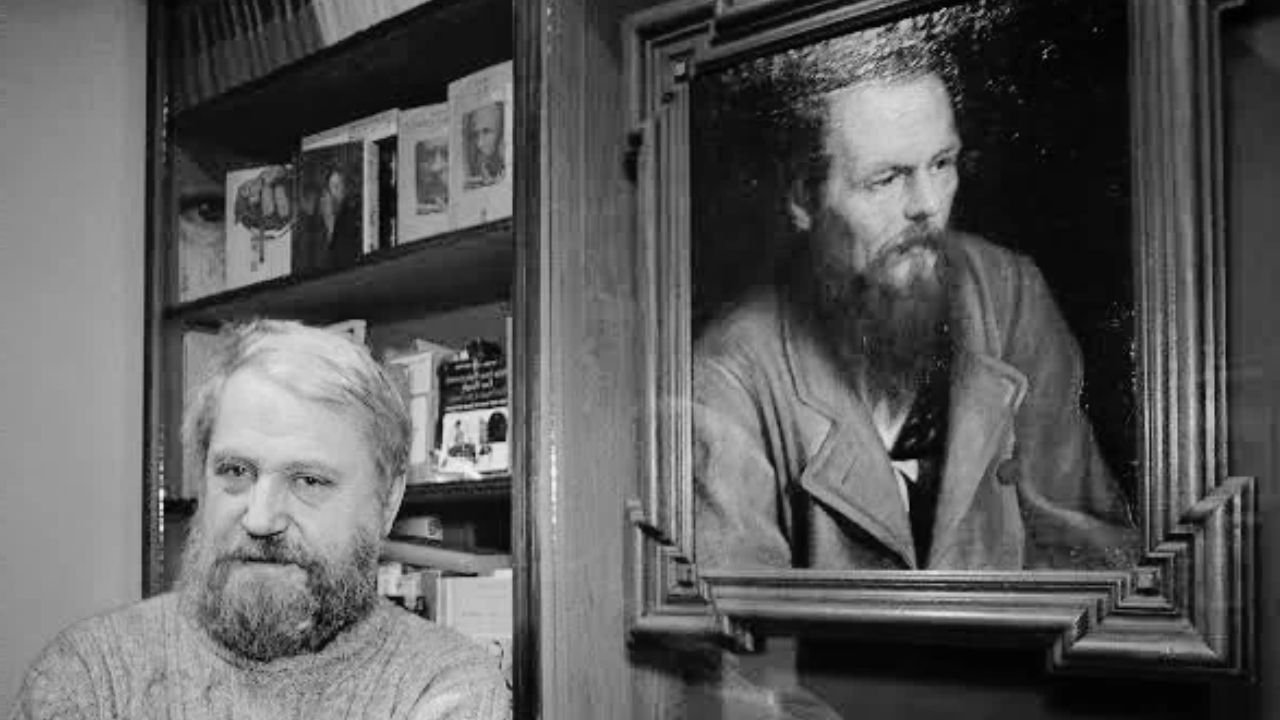
If you have come across the name Alexey Dostoyevsky in a genealogy database or while reading about the famous Russian novelist, you are probably wondering who he actually was. The answer is straightforward: he was the youngest child of Fyodor Dostoyevsky, one of the most celebrated writers in literary history. Alexey lived only a few years, so there is not much recorded about his short life. But his place in the Dostoyevsky family makes him a subject of genuine biographical and genealogical interest.
This article covers who Alexey was, his family background, his siblings, what biographical sources say about his death, and how to tell him apart from the fictional character who shares a similar name.
Who Was Alexey Dostoyevsky?
Alexey Fyodorovich Dostoyevsky was the youngest child of novelist Fyodor Mikhailovich Dostoyevsky and his second wife, Anna Grigoryevna Snitkina. Biographical and genealogical sources generally place his birth in 1875. He died at approximately three years old, with most sources pointing to 1878, though some genealogy records also show 1879. Because of this discrepancy, the death year is best treated as approximate rather than fixed.
Alexey was not a public figure in his own right. He never had the chance to be one. His significance today is almost entirely genealogical — he is of interest because he was the son of a globally recognized author, not because of anything he did or said himself.
You may also encounter his name spelled differently depending on the source. Alexei, Aleksey, Alyosha, and Alexy all appear in various databases. These are transliteration differences from Russian, not separate people. When a record lists any of these names alongside Fyodor Dostoyevsky and Anna Snitkina as parents, it is referring to the same child.
His Parents — Fyodor Dostoyevsky and Anna Snitkina
To understand why this child matters biographically, it helps to know who his parents were.
Fyodor Mikhailovich Dostoyevsky was born in Moscow in 1821. He became one of Russia’s most important nineteenth-century novelists, known for major works that explored psychology, morality, and the human condition. His life was anything but quiet. He endured imprisonment, exile in Siberia, serious financial struggles, and epilepsy — all while producing literature that is still read and studied across the world.
Anna Grigoryevna Snitkina came into his life initially as his stenographer. She helped him complete a novel under an urgent deadline and later became his second wife. Anna was a steadying force in Fyodor’s later years. She managed the family’s finances and publishing affairs, and by most biographical accounts, the marriage was a genuinely stable and supportive one — something Fyodor had not always had in earlier years.
Alexey was born during the final, most productive chapter of Fyodor’s literary career. His father was working on major writing at the time, and the family was living in Russia. For both parents, Alexey’s arrival would have been a significant personal event in an already full and demanding life.
Alexey’s Siblings and His Place in the Family
Fyodor and Anna had four children together. Understanding where Alexey fits among them helps put his short life in context.
- Sofya — the first child, who died in infancy
- Lyubov — born in 1869, she survived to adulthood
- Fyodor Fyodorovich — born in 1871, he also survived to adulthood and later became connected to preserving the family legacy
- Alexey — born in 1875, the youngest of the four
Alexey arrived four years after his brother Fyodor Fyodorovich. It is worth being careful with names here: Fyodor Fyodorovich was Alexey’s older brother, while Fyodor Mikhailovich was their father. The two share the same first name, which can cause confusion when reading family records.
Alexey did not survive to adulthood and left no known descendants. His older siblings outlived him, but Alexey’s story ended when he was still very young.
His Death and the Reported Illness
Several biographical accounts state that Alexey died following an epileptic episode or seizure-related illness at around three years of age. Russian Life, a publication focused on Russian history and culture, specifically notes that he died after an epileptic fit. This detail appears in multiple biographies of Fyodor Dostoyevsky as well.
It is worth being clear about how this should be understood. The reported cause is a seizure or epileptic fit as described in biographical sources. It should not be presented as a modern clinical diagnosis, since the medical understanding of epilepsy in the 1870s was very different from what it is today.
As mentioned earlier, the exact year of his death is not entirely settled. Most sources list 1878, but WikiTree, a genealogy platform, notes uncertainty between 1878 and 1879. When sources disagree on a specific date, it is better to acknowledge that uncertainty than to pick one year and present it as definitive fact.
What is consistent across sources is that Alexey’s death was considered a profound personal loss for the family. It is discussed in several biographies of the novelist and is part of the broader picture of grief and hardship that marked various periods of Fyodor Dostoyevsky’s life.
The Real Alexey and the Fictional Alexei Karamazov
Some readers come across the name Alexey Dostoyevsky while researching The Brothers Karamazov, Fyodor’s final and arguably most famous novel. That book features a central character named Alexei Fyodorovich Karamazov — often called Alyosha — and the similarity in names can cause genuine confusion.
The distinction is simple but important. Alexey Dostoyevsky was a real child, the son of the author. Alexei Karamazov is a fictional character in a novel. They are not the same person.
Some readers and commentators have suggested that the fictional Alexei may have been inspired in some way by the author’s son. That connection is worth noting as a possibility, but it should be treated carefully. Without a specific scholarly source to support that claim directly, it is safer to acknowledge the naming similarity without asserting a confirmed link between the two.
What can be said with confidence is that Fyodor Dostoyevsky wrote The Brothers Karamazov during the same general period of his life when Alexey was born and died. Whether that personal grief shaped the novel’s themes or characters is a question for literary scholars, not genealogical records.
Why Genealogy Records May Show Different Details?
If you found Alexey’s name through a site like FamilySearch, WikiTree, or a similar genealogy platform, it helps to know how to read those records accurately.
User-generated genealogy profiles can be useful for finding names and connections, but they sometimes copy dates from one another rather than from original archival sources. For Alexey specifically, the disagreement between 1878 and 1879 as a death year is a good example of how these databases can carry forward uncertainty without resolving it.
For confirmed information, biographical reference sources are more reliable than crowd-sourced family trees. ThoughtCo and FamilySearch both support 1875 as his birth year. For the death year, acknowledging the uncertainty is more honest than picking a single date and treating it as settled.
If you are building your own family tree and want to include Alexey, the most precise identification is Alexey Fyodorovich Dostoyevsky, son of Fyodor Mikhailovich Dostoyevsky and Anna Grigoryevna Snitkina, born approximately 1875, died approximately 1878.
For anyone interested in how family history connects to literary history, resources like Open Business Tips can offer useful context on researching notable figures and their family backgrounds.
A Brief Life With a Lasting Place in Literary History
Alexey Dostoyevsky lived for only about three years. He never wrote anything, never held a public role, and never had the chance to shape his own story. His significance comes entirely from who his father was and the place he held in a remarkable family.
For readers doing genealogy research, the key facts are clear: he was the youngest child of Fyodor and Anna Dostoyevsky, born in 1875, and died young — most likely in 1878. He had two older siblings who survived to adulthood and one older sibling, Sofya, who also died in infancy.
His death was a painful chapter in the life of a family that had already known considerable hardship. And while Alexey himself left almost no historical trace beyond the records of his brief existence, his name continues to appear wherever people study the life of one of literature’s most enduring figures.
Also Read: